
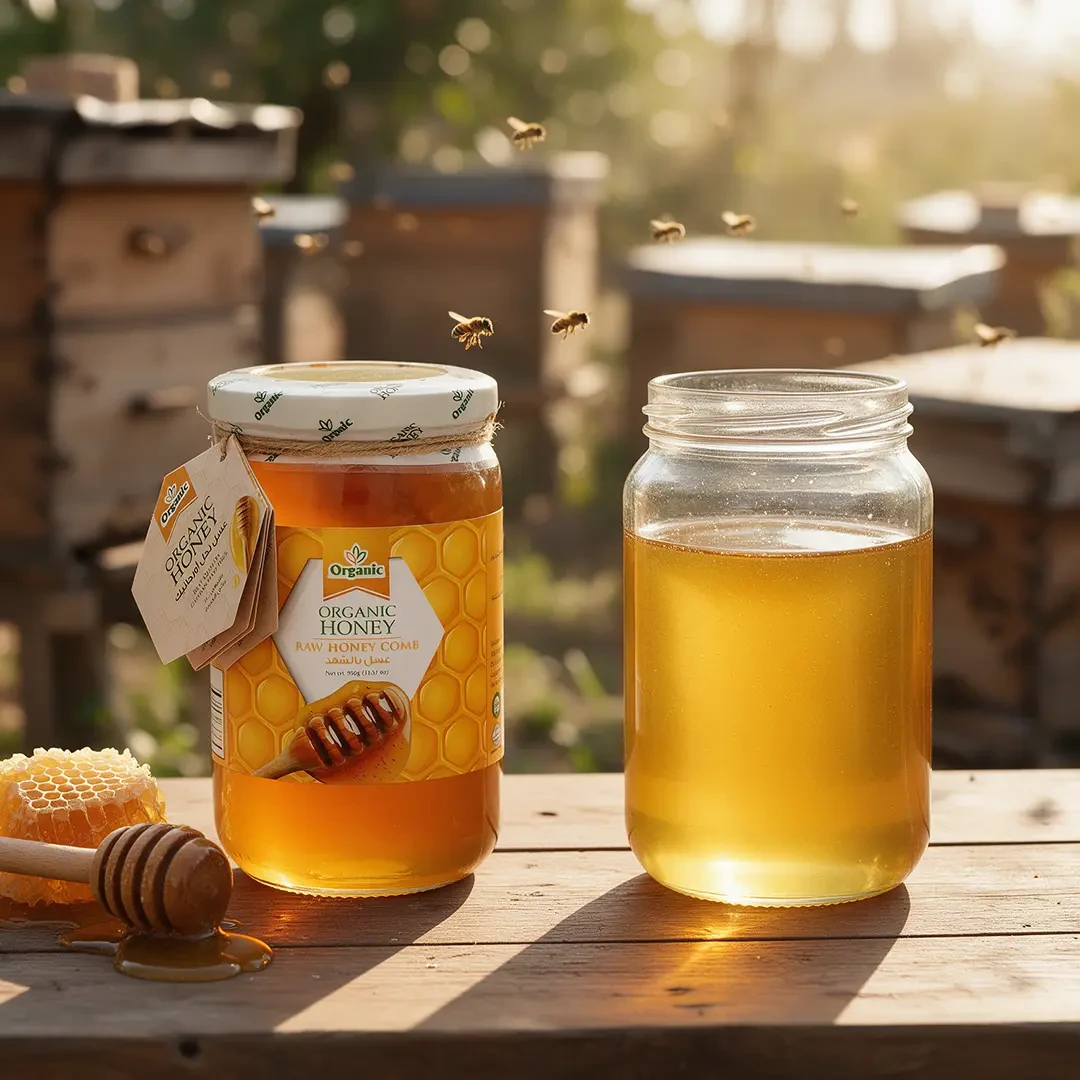
How to Spot the Real Deal and Why Organic Matters
Many people seek authentic, high-quality honey for its rich nutritional value and natural healing properties. However, with adulterated and heavily processed honey widely circulating in the market, finding pure organic honey requires a clear understanding of its natural standards and physical characteristics.
3 Quick Ways to Test Raw Honey at Home
- Viscosity & Continuous Stream: Pure, unheated honey flows in a smooth, continuous stream without breaking immediately into droplets. Syrup-infused or diluted honey tends to run quickly and splash.
- The Water Immersion Test: Drop a spoon of honey into a glass of cold water. Pure, dense honey settles directly at the bottom without dissolving right away. Adulterated honey quickly disperses into the water.
Natural Crystallization: Granulation or solidification in cooler temperatures is a natural physical state. It serves as proof that the honey is raw, alive, and has not been subjected to damaging high-heat treatment.
Why Choose Certified Organic Honey?
Certified organic honey offers far more than just being free from added sugars. It guarantees an uncompromising standard of purity from hive to table:
- Pesticide-Free Foraging Environment: Bees forage exclusively in clean, protected ecosystems far removed from industrial pollutants and agricultural pesticides.
- Ethical Beekeeping Practices: Colonies are never sustained on artificial sugar feeds or treated with synthetic antibiotics.
Intact Bioactive Properties: Raw and minimally filtered, preserving all essential live enzymes, vitamins, and powerful antioxidants without destructive pasteurization.
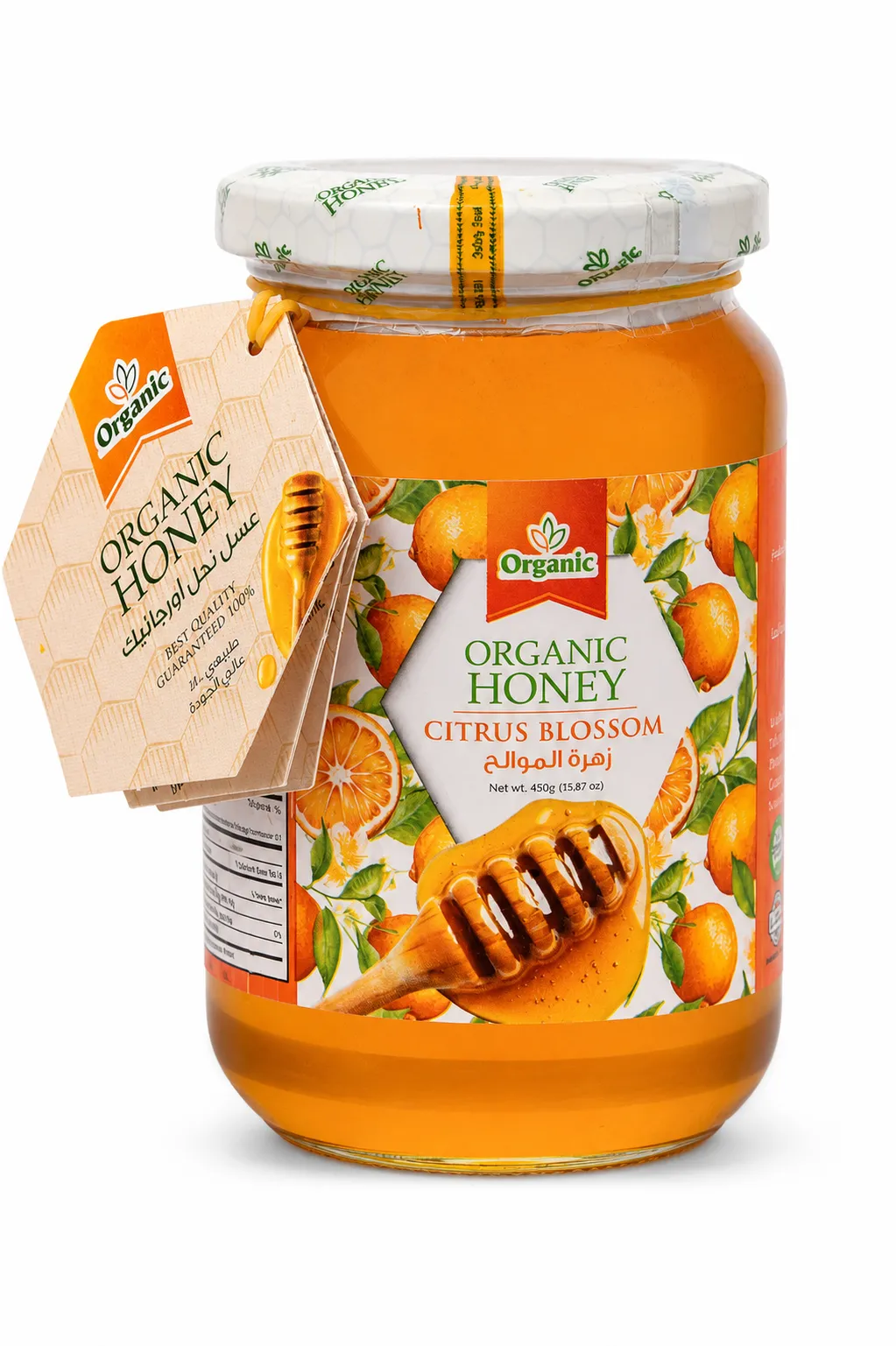
At Organic Honey, every jar undergoes stringent laboratory testing to meet the highest international purity standards. We deliver unpasteurized, nutrient-rich perfection straight from the apiary to your family's table—with complete transparency and trust.